







When shopping for wellness inspired jewelry, one of the most common comparisons people make is magnetic bracelets vs copper bracelets. At first glance, both look similar. Both are worn on the wrist, both are often made from metal, and both are associated with long standing traditions of personal wear. However, when you look closer, magnetic bracelets and copper bracelets are very different in how they are made, how they function, and why people choose to wear them.
This guide is written to clearly explain the difference between magnetic bracelets and copper bracelets without hype or confusion. Instead of promoting one over the other, it breaks down materials, design, magnetism, magnetic field basics, and everyday wear considerations. By the end of this article, you will understand what separates a magnetic bracelet from a copper bracelet and how to decide which one fits your lifestyle.


Understanding Magnetic Bracelets and Copper Bracelets
Magnetic bracelets are wearable accessories that contain static magnets embedded inside their structure. These magnets are usually placed along the inner surface or inside individual links. From the outside, magnetic bracelets often look like standard metal jewelry made from stainless steel, titanium, or sometimes copper.
Copper bracelets, on the other hand, are bracelets made primarily from copper. A copper bracelet may be solid copper or a copper alloy, and in some cases, it may also include magnets. When magnets are added to copper, the bracelet is often referred to as a copper magnetic bracelet.
Understanding whether you are comparing a magnetic bracelet, a copper bracelet, or a copper magnetic bracelet is important because each serves a slightly different purpose and offers a different wearing experience.
What Is Magnetic Jewelry
Magnetic jewelry refers to wearable accessories that incorporate magnets into their design. Magnetic bracelets are the most common form of magnetic jewelry, but rings, necklaces, and anklets also exist.
Magnetic jewelry is passive. It does not use electricity, batteries, or electronic components. The magnets inside a magnetic therapy bracelet create a constant magnetic field that remains localized near the wrist.
Magnetic jewelry is designed for everyday wear. It is not a medical device and should not be viewed as a replacement for medical care. Reputable brands position magnetic jewelry as lifestyle accessories focused on comfort, durability, and routine.
This distinction is important when comparing magnetic bracelets vs copper bracelets.

What Is a Copper Bracelet
A copper bracelet is a bracelet made primarily from copper. Copper has been used in jewelry for thousands of years due to its softness, warm color, and malleability.
Copper bracelets can be simple solid bands or more decorative designs. Over time, copper naturally develops patina, which is a darkened surface layer caused by oxidation. Some people appreciate this natural aging, while others prefer a polished appearance.
Copper bracelets may be worn purely for style, tradition, or personal preference. Unlike magnetic bracelets, a standard copper bracelet does not involve magnetism unless magnets are intentionally added.
The Role of Magnetism in Magnetic Bracelets
Magnetism is a natural physical phenomenon produced by certain materials that generate a magnetic field. In magnetic bracelets, static magnets are embedded into the bracelet structure.
These magnets produce a constant magnetic field that remains stable and passive. The magnetic field does not change based on movement, activity, or time. It exists as long as the magnets exist.
A magnetic therapy bracelet relies on this simple principle. There is no activation, no adjustment, and no interaction beyond proximity. This simplicity is one of the defining characteristics of magnetic bracelets.
Understanding magnetism helps clarify what magnetic bracelets are designed to do and what they are not.
Understanding the Magnetic Field
A magnetic field is the invisible area around a magnet where magnetic force exists. In magnetic bracelets, each magnet produces a small localized magnetic field near the surface of the skin.
This magnetic field does not expand throughout the body or environment. It remains close to the bracelet and is not directional or adjustable.
Many misconceptions arise when people assume the magnetic field behaves dynamically. In reality, the field is stable and passive.
This understanding helps buyers evaluate magnetic therapy bracelets realistically rather than emotionally.
Magnetic Therapy Bracelet Explained Simply
Magnetic therapy is a term often used to describe the practice of wearing magnets on the body. In the context of jewelry, magnetic therapy refers to static magnets embedded in wearable accessories.
A magnetic therapy bracelet should be understood as a lifestyle accessory rather than a medical treatment. It does not diagnose, treat, or cure conditions.
People who wear magnetic therapy bracelets often do so as part of a personal routine or preference rather than for specific outcomes.
This framing is essential when comparing magnetic bracelets vs copper bracelets.
Copper Magnetic Bracelet vs Standard Copper Bracelet
A copper magnetic bracelet combines both copper and magnets. In this design, copper serves as the primary material, while magnets are embedded along the interior.
A standard copper bracelet does not contain magnets. It relies solely on copper as its defining material.
The difference between a copper magnetic bracelet and a standard copper bracelet lies in magnetism. The copper magnetic bracelet includes a magnetic field created by embedded magnets, while a standard copper bracelet does not.
When comparing options, it is important to understand which category a product falls into.

Materials Used in Magnetic Bracelets
Magnetic bracelets are commonly made from materials such as stainless steel, titanium, or copper alloys. These materials are chosen for durability, comfort, and resistance to wear.
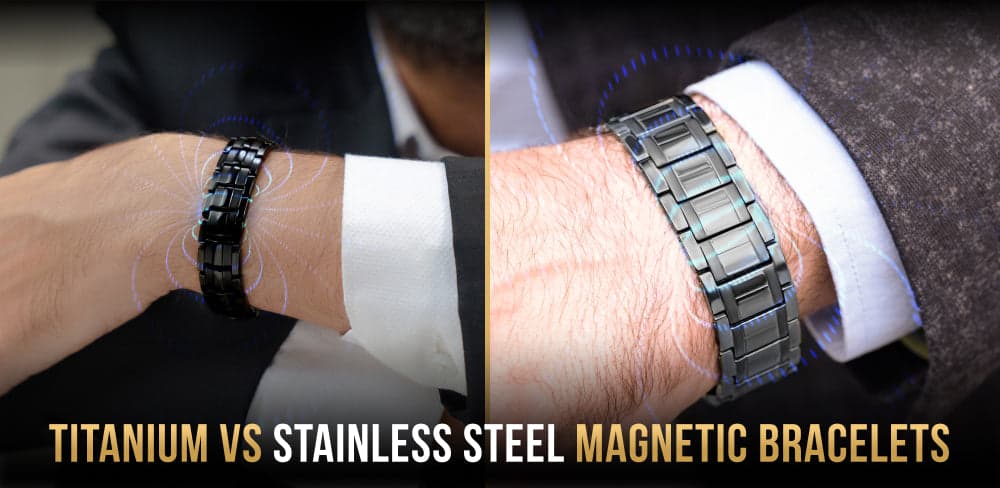
Stainless steel magnetic bracelets are popular because they maintain their finish over time and resist corrosion. Titanium magnetic bracelets are lighter and often preferred for all day wear.
In some cases, magnetic bracelets may include copper elements, but the defining feature remains the magnets rather than the copper itself.
Material choice affects comfort, weight, and long term satisfaction.
Materials Used in Copper Bracelets
Copper bracelets are typically made from solid copper or copper rich alloys. Copper is softer than stainless steel or titanium, which means it can bend more easily.
Copper reacts with air and moisture, creating patina. Some wearers enjoy this natural aging, while others prefer to polish their copper bracelet regularly.
Because copper is softer, copper bracelets may show signs of wear sooner than magnetic bracelets made from harder metals.
Material behavior is an important factor when comparing magnetic bracelets vs copper bracelets.
Comfort and Everyday Wear
Comfort is one of the biggest differences between magnetic bracelets and copper bracelets. Magnetic bracelets are often designed with smooth edges, balanced weight, and secure clasps to support daily wear.
Copper bracelets, especially solid bands, may feel stiffer and less adjustable depending on design. Some copper bracelets are open cuff styles, which can make sizing less precise.
Magnetic bracelets are often preferred for long term wear because they are engineered for comfort and fit.
Copper bracelets may appeal to those who enjoy traditional styles and are comfortable adjusting or maintaining the bracelet.
Design and Aesthetic Differences
Magnetic bracelet design tends to focus on modern, clean aesthetics. Many magnetic bracelets resemble watches or contemporary metal jewelry.
Copper bracelets often have a more traditional or rustic appearance. The warm color of copper gives them a distinct look that stands out.
Design preference plays a major role in deciding between magnetic bracelets vs copper bracelets.
Some people prefer the understated look of magnetic jewelry, while others enjoy the character and aging of copper.
Magnetic Jewelry vs Copper Jewelry in Daily Life
Magnetic jewelry is often chosen for consistency. A magnetic bracelet can be worn daily without much thought or maintenance.
Copper jewelry may require more care, especially if the wearer prefers a polished look. Patina development may be desirable or undesirable depending on personal taste.
Daily wear habits should influence your choice. If you want something low maintenance, magnetic bracelets may feel more practical.
If you enjoy natural material changes and hands on care, a copper bracelet may appeal more.
Durability and Longevity
Magnetic bracelets made from stainless steel or titanium are generally more durable than copper bracelets. They resist bending and maintain their structure under daily use.
Copper bracelets are softer and may bend or scratch more easily. This is not necessarily a flaw, but it is a characteristic of the material.
If long term durability is a priority, magnetic bracelets often have an advantage.
If material authenticity and tradition matter more, copper bracelets remain appealing.
Magnetic Therapy vs Copper Tradition
Magnetic therapy jewelry is rooted in the use of static magnets. Its appeal often comes from modern wellness culture and routine based wear.
Copper bracelets are rooted in historical and cultural traditions. Copper has been used in adornment for thousands of years.
Choosing between magnetic therapy and copper tradition often comes down to personal values rather than functionality.
Both have long histories, but they represent different approaches to wearable jewelry.
Magnetic Bracelets vs Copper Bracelets for Men and Women
Magnetic bracelets are widely worn by both men and women. They often feature neutral designs that work with professional and casual clothing.
Copper bracelets are also worn by both men and women but tend to make a stronger visual statement due to color and patina.
Men may prefer heavier magnetic bracelets with a solid feel, while women may prefer lighter or slimmer designs in either category.
Style preference plays a significant role in the decision.
Maintenance and Care Differences
Magnetic bracelets generally require minimal maintenance. Occasional cleaning with a soft cloth is usually sufficient.
Copper bracelets may require regular polishing if the wearer wants to reduce patina. Some people enjoy this maintenance, while others find it inconvenient.
Maintenance expectations should be considered when comparing magnetic bracelets vs copper bracelets.

How to Choose Between Magnetic Bracelets and Copper Bracelets
Choosing between magnetic bracelets and copper bracelets starts with understanding your lifestyle. Do you prefer low maintenance accessories or hands on care.
Consider comfort, durability, design, and how the bracelet fits into your daily routine.
If you value modern design, consistency, and ease of wear, magnetic bracelets may be the better choice.
If you value tradition, material authenticity, and natural aging, a copper bracelet may feel more meaningful.
There is no universally correct answer. The right choice depends on personal preference.
Final Thoughts on Magnetic Bracelets vs Copper Bracelets
Magnetic bracelets vs copper bracelets is not about which is better. It is about which is better for you.
Magnetic bracelets are modern, durable, and designed for everyday wear. They incorporate magnetism and a localized magnetic field as part of their design.
Copper bracelets are traditional, expressive, and made from a material with a long history in jewelry. A copper magnetic bracelet blends both worlds by combining copper with magnets.
Understanding the differences between magnetic jewelry, magnetic therapy bracelets, and copper bracelets allows you to make an informed choice without confusion or hype.
When chosen thoughtfully, both magnetic bracelets and copper bracelets can be meaningful additions to your daily wear, each offering a different experience rooted in design, material, and personal preference.