







Magnetic therapy jewelry has been discussed, debated, and misunderstood for decades. As interest in magnetic jewelry continues to grow, so does the amount of conflicting information surrounding it. Some sources present magnetic therapy as a breakthrough concept, while others dismiss it entirely. For consumers trying to make informed decisions, separating magnetic jewelry facts from myths can feel overwhelming.
This guide exists to clarify what magnetic therapy jewelry truly is, what it is not, and how to approach it with realistic expectations. Rather than promoting hype or dismissing curiosity, this article explains magnetic therapy jewelry in a clear and balanced way. By understanding the science of magnetism, the role of the magnetic field, and the design of magnetic bracelets, readers can better evaluate magnetic jewelry as a lifestyle accessory.
If you are considering magnetic therapy jewelry or already wear a magnetic bracelet, this article will help you understand the most common facts and myths you should know.


What Magnetic Therapy Jewelry Really Means
Magnetic therapy jewelry refers to wearable accessories that contain static magnets embedded within their structure. These accessories are designed to be worn externally as part of everyday attire. Magnetic therapy jewelry includes items such as magnetic bracelets, rings, necklaces, and anklets, with bracelets being the most widely worn.
It is important to clarify early that magnetic therapy jewelry is not a medical device. It does not diagnose, treat, or cure conditions. Instead, it exists in the category of personal accessories that incorporate magnets as part of their design.
Many misunderstandings begin when magnetic therapy jewelry is confused with clinical magnetic therapies or electronic medical equipment. Magnetic jewelry is passive. It does not require power, calibration, or adjustment. Once worn, it simply remains in place, producing a static magnetic field near the surface of the skin.
Understanding this foundation helps prevent unrealistic expectations and allows consumers to approach magnetic jewelry facts with clarity.
 Fact vs Myth Why Confusion Exists
Confusion around magnetic therapy jewelry often comes from vague language and exaggerated claims. Terms like magnetic energy, magnetism, and magnetic therapy are sometimes used without explanation, creating misunderstandings about how magnetic jewelry functions.
Another source of confusion is the assumption that all magnetic jewelry is the same. In reality, magnetic bracelets vary widely in construction, materials, magnet placement, and overall quality.
The goal of this article is not to convince or discourage, but to clarify. By understanding what magnetism actually is and how magnetic jewelry is constructed, it becomes easier to separate fact from myth.
The Basic Science of Magnetism
Magnetism is a natural physical phenomenon that occurs when certain materials produce a magnetic field. This field is an invisible area around a magnet where magnetic forces exist.
In magnetic therapy jewelry, the magnets used are static magnets. Static means they do not pulse, vibrate, or change over time. They produce a constant magnetic field without electricity or external power.
This magnetic field exists as long as the magnet exists. There is no switch, no activation, and no interaction beyond proximity. This simplicity is central to understanding magnetic jewelry facts.
Magnetism has been studied for centuries and remains one of the most stable and predictable natural forces. Magnetic jewelry relies on these basic principles rather than advanced technology.
Understanding the Magnetic Field in Jewelry
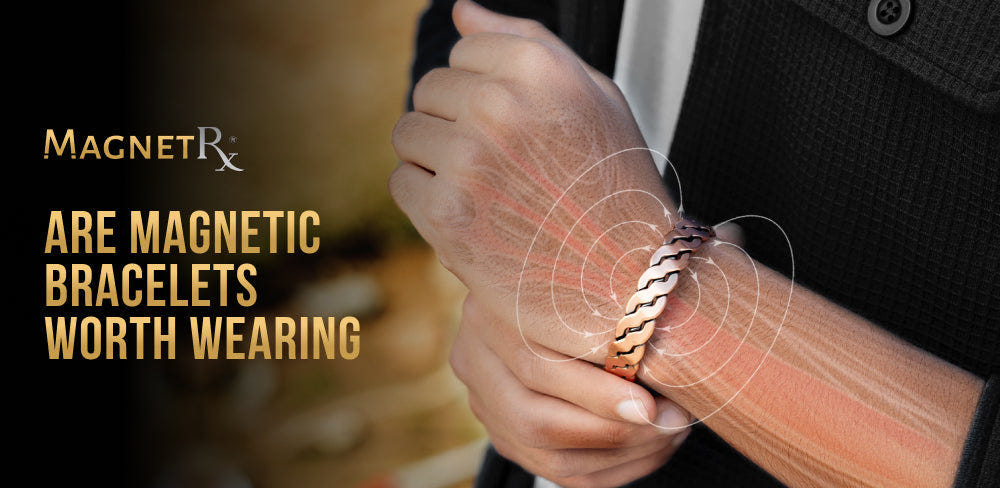
A magnetic field is the area around a magnet where magnetic influence is present. In magnetic therapy jewelry, each embedded magnet creates a small localized magnetic field near the skin.
The magnetic field produced by magnetic bracelets is limited in range. It does not extend throughout the body or environment. It remains close to the bracelet itself.
One common myth is that magnetic jewelry generates a powerful or expanding field. In reality, the magnetic field is stable, localized, and passive.
Understanding the magnetic field helps clarify what magnetic jewelry can and cannot do. It also reinforces why magnetic therapy jewelry is categorized as a wearable accessory rather than a device.
Fact Magnetic Therapy Jewelry Uses Static Magnets
One important magnetic jewelry fact is that magnetic therapy jewelry uses static magnets. These magnets do not move, vibrate, or change strength during normal use.
Static magnets do not require power sources. They do not emit signals or energy waves. They simply exist as magnets embedded inside the jewelry.
This fact often surprises people who assume magnetic therapy involves active processes. In reality, magnetic bracelets function quietly and consistently.
Recognizing that magnetic therapy jewelry is passive helps eliminate myths about activation, adjustment, or performance levels.
Myth Magnetic Therapy Jewelry Is a Medical Treatment
One of the most common myths is that magnetic therapy jewelry functions as a medical treatment. This misconception often leads to disappointment or unrealistic expectations.
Magnetic jewelry is not approved as a medical device and is not intended to replace medical care. It is designed as a personal accessory that incorporates magnets.
Reputable brands clearly position magnetic therapy jewelry as lifestyle jewelry. Understanding this distinction is critical for informed decision making.
This myth persists because of language misuse, not because of how magnetic jewelry is actually designed.
Fact Magnetic Bracelets Are Designed for Daily Wear
Magnetic bracelets are designed to be worn daily. Comfort, durability, and ease of use are central to their design.
Materials such as stainless steel and titanium are commonly used because they hold up well under daily conditions. Smooth edges and secure clasps help ensure the bracelet can be worn for long periods.
A magnetic bracelet is typically worn during work, rest, and leisure without requiring removal. This practicality is one of the reasons magnetic bracelets remain popular.
This fact highlights why bracelets are the most common form of magnetic therapy jewelry.
 Myth Stronger Magnets Are Always Better
Another common myth is that stronger magnets automatically mean better magnetic therapy jewelry. In reality, magnet strength is only one aspect of bracelet design.
Quality magnetic jewelry focuses on consistency, placement, and craftsmanship rather than extreme magnet strength. Excessive focus on strength often leads to misleading marketing.
For everyday wear, balance and comfort matter more than technical specifications. A well designed magnetic therapy bracelet prioritizes how it feels on the wrist.
Understanding this myth helps consumers avoid being misled by exaggerated claims.
Fact Magnetic Jewelry Is a Personal Choice
One of the most overlooked magnetic jewelry facts is that wearing magnetic jewelry is a personal choice. People wear magnetic bracelets for different reasons, including routine, comfort, and personal preference.
Some individuals appreciate the intentional aspect of wearing the same accessory daily. Others value the simplicity of magnetic jewelry compared to electronic wearables.
There is no universal experience. Magnetic therapy jewelry fits into different lifestyles in different ways.
This individuality explains why opinions about magnetic jewelry vary widely.
Myth Magnetic Jewelry Works the Same for Everyone
A common misconception is that magnetic jewelry works the same way for everyone. This belief often comes from oversimplified explanations.
In reality, personal perception, expectations, and daily habits all influence how someone experiences magnetic therapy jewelry.
Magnetic bracelets are consistent in construction, but personal experience is subjective. Recognizing this helps manage expectations.
This myth is especially important for beginners to understand before choosing magnetic jewelry.
Fact Magnetic Therapy Jewelry Is Passive
Magnetic therapy jewelry is passive by design. Once worn, it does not change or adapt based on movement or activity.
There is no activation process. There are no settings. The magnets simply remain embedded inside the jewelry.
This passivity is a defining characteristic and a key magnetic jewelry fact.
It also explains why magnetic therapy jewelry appeals to people who prefer low maintenance accessories.
Myth Magnetic Jewelry Requires Special Use Instructions
Another myth is that magnetic therapy jewelry requires specific instructions or schedules. In reality, magnetic bracelets are worn like regular jewelry.
They can be put on in the morning and removed at night or worn continuously depending on preference.
There is no required duration, timing, or method. Simplicity is one of the reasons magnetic jewelry integrates easily into daily life.
This myth often arises from confusion with other wellness products that require protocols.
Fact Magnetic Therapy Jewelry Is About Design and Wearability
High quality magnetic therapy jewelry prioritizes design and wearability. The magnets are hidden, the finishes are smooth, and the overall look is intentional.
Magnetic jewelry is meant to look like jewelry first. The magnetic component is internal and subtle.
This focus on design explains why modern magnetic bracelets no longer look bulky or medical.
Understanding this fact helps consumers evaluate magnetic jewelry based on craftsmanship rather than claims.
Myth Magnetic Jewelry Produces Energy Waves
One persistent myth is that magnetic jewelry emits energy waves or vibrations. This is not accurate.
Static magnets produce a magnetic field, not waves or signals. There is no emission beyond the natural magnetic field.
Magnetic energy in this context simply refers to the presence of a magnetic field. It is stable and constant.
Clarifying this myth helps remove unnecessary mystique from magnetic therapy jewelry.
Fact Magnetic Therapy Jewelry Has Evolved Over Time
Magnetic therapy jewelry has evolved significantly in design and quality. Early versions were often bulky or uncomfortable. Modern magnetic bracelets are refined and ergonomic.
Advances in materials and manufacturing have improved comfort and durability.
This evolution is one reason magnetic jewelry continues to remain relevant.
Understanding this history adds context to current magnetic jewelry facts.
 Why Magnetic Jewelry Facts Matter
Understanding magnetic jewelry facts empowers consumers to make informed choices. It prevents disappointment, confusion, and misinformation.
When magnetic therapy jewelry is viewed as a lifestyle accessory rather than a promise, satisfaction tends to be higher.
Education builds trust and allows people to evaluate magnetic jewelry realistically.
This clarity benefits both consumers and brands committed to transparency.
How to Approach Magnetic Therapy Jewelry With Confidence
Approaching magnetic therapy jewelry with confidence starts with understanding facts rather than myths. Focus on quality materials, thoughtful design, and comfort.
Avoid products that rely heavily on exaggerated language or unrealistic promises.
A magnetic therapy bracelet should feel natural on the wrist and fit into daily routines without effort.
When expectations are realistic, magnetic jewelry can be appreciated for what it truly is.
Final Thoughts on Magnetic Therapy Jewelry Facts vs Myths
Magnetic therapy jewelry continues to generate interest because it sits at the crossroads of science, design, and personal choice. By understanding magnetism, the magnetic field, and the role of static magnets, it becomes easier to separate fact from myth.
Magnetic bracelets are passive, wearable accessories designed for everyday life. They do not replace medical care and do not require belief in exaggerated claims.
The most important magnetic jewelry facts are rooted in simplicity. When approached with clarity, magnetic therapy jewelry can be evaluated honestly and worn confidently.
Education remains the most powerful tool for navigating magnetic therapy jewelry facts vs myths you should know.